
Vehicle paint faces a relentless assault from the environment every single day. From blistering summer afternoons that bake exterior surfaces to sudden temperature drops and intense solar radiation, your car’s clear coat works overtime. Without a dedicated defense mechanism, factory paint begins to oxidize, fade, and lose its showroom luster. This is where advanced surface protection steps in. Understanding how modern nano-technology interacts with thermal shifts and light energy reveals why it has become the gold standard for automotive preservation.
Thermal Resilience: How Ceramic Coatings Handle Extreme Heat
When ambient temperatures soar, vehicle body panels absorb massive amounts of radiant energy. Dark-colored cars, in particular, can see surface temperatures climb well past 150°F under direct sunlight. Traditional waxes and sealants simply melt, break down, or evaporate under these harsh conditions, leaving the paint completely exposed.
Advanced nano-ceramic formulas, built on dense silicon dioxide and titanium dioxide matrices, establish exceptionally strong covalent bonds with the factory clear coat. These molecular structures feature incredible thermal stability. During a recent evaluation for a collector vehicle in South Haven, MI, our technicians observed how a high-grade quartz layer successfully isolated the underlying substrate from extreme radiant heat, preventing structural breakdown and softening of the clear coat.
Temperature Tolerance Specifications
To understand the physical limits of professional-grade surface protection, consider these core specifications:
- Max Heat Threshold: Most professional-grade ceramic coatings safely endure continuous operating temperatures up to 1,000°F (537°C), making them stable even near high-performance engine bays and exhaust components.
- Thermal Conductivity: The low thermal conductivity index of a cured quartz film prevents rapid heat transfer from the exterior surface into the underlying clear coat and metal panels.
- Molecular Stability Point: Structural degradation or ash-conversion of the inorganic matrix only occurs at extreme thresholds well beyond any naturally occurring environmental temperature on Earth.
Ultraviolet Defense: Guarding Against Sunlight and UV Radiation
Sunlight carries invisible ultraviolet (UV) radiation that systematically destroys automotive paint on a molecular level. UVA and UVB rays penetrate the porous structure of standard clear coats, breaking chemical bonds and triggering severe oxidation, fading, and clear coat failure (peeling).
A professional ceramic application acts as a powerful optical shield. By reflecting and absorbing specific spectra of solar radiation, the coating neutralizes UV energy before it reaches the vulnerable paint layers below. For vehicle owners navigating intense seasonal changes, this UV defense is crucial. When maintaining cars exposed to long stretches of summer sunlight, applying a trusted South Haven ceramic coating stops sun-induced fading in its tracks, preserving rich pigment depth and mirror-like clarity for years.
Comparison: Unprotected vs. Ceramic-Coated Paint
| Feature | Unprotected Clear Coat | Ceramic-Coated Paint |
| UV Resistance | Degrades, oxidizes, and yellows within 2 to 3 years due to direct solar radiation absorption. | Blocks and reflects UVA/UVB rays, effectively preventing premature oxidation, fading, and chalking. |
| Surface Temp Regulation | Absorbs solar thermal energy directly into the substrate, accelerating clear coat fatigue. | Resists thermal breakdown and minimizes the impact of direct radiant heat on the paint surface. |
| Gloss Retention | Fades rapidly as micro-marring, etching, and sun damage scatter light reflection. | Maintains deep gloss, sharp reflections, and optical clarity year after year. |
Managing Repeated Temperature Changes and Thermal Shock
One of the most destructive forces facing vehicle paint is thermal cycling, the rapid transition from hot conditions to cold environments, or vice versa. When metal body panels heat up, they expand. When they cool down rapidly, such as an unexpected summer downpour on hot asphalt, or transitioning from a heated garage into freezing winter air, they contract.
This constant micro-movement places immense stress on rigid protective layers. If a sealant or old-school wax is too brittle, it will fracture, separate from the paint, and trap moisture underneath.
Step-by-Step Response to Thermal Cycling
- Initial Solar Absorption: Ambient heat and direct sunlight warm the metal and composite body panels, causing microscopic expansion across the vehicle’s frame.
- Synchronized Molecular Elasticity: The flexible nano-coating matrix expands synchronously with the factory clear coat, absorbing structural stress without micro-cracking or losing adhesion.
- Rapid Cooling Phase: As temperatures drop abruptly, the coating contracts uniformly alongside the substrate, maintaining a seamless, airtight seal that prevents moisture intrusion and environmental etching.
Whether you are dealing with fluctuating Midwest spring weather or storing a vehicle near the lake breeze, opting for a professional ceramic coating in South Haven, MI ensures your paint remains completely insulated against thermal shock.
Debunking Common Industry Myths About Heat and Ceramic Coatings
The Myth: Ceramic coatings act as heavy-duty thermal insulation barriers that drastically lower interior cabin temperatures during hot summer days.
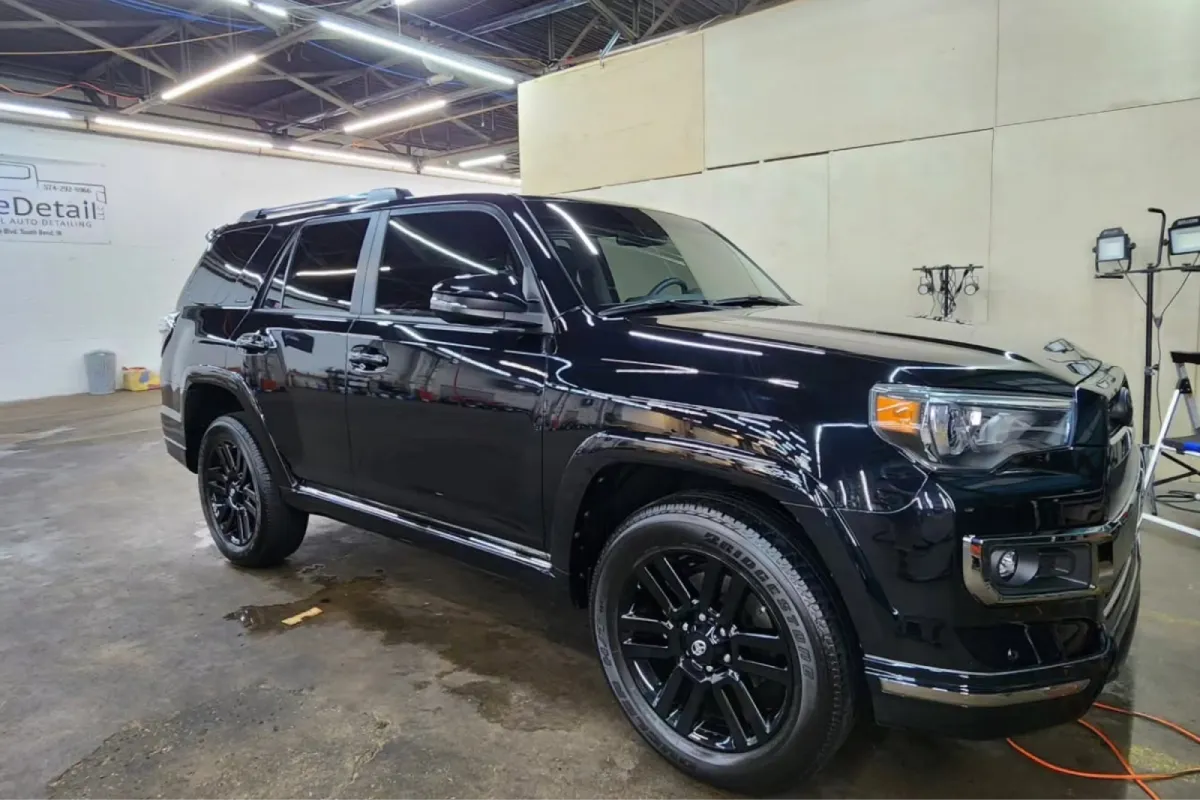
The Reality: While high-grade nano-coatings excel at resisting surface heat degradation, blocking UV radiation, and preventing chemical etching, they do not insulate the cabin against conductive heat transfer. Cabin temperatures are primarily driven by solar heat passing through uninsulated automotive glass and sheet metal. Ceramic coatings protect the exterior paint finish, not your cabin’s air conditioning load. Transparency and honest education are core pillars of our philosophy at Deluxe Detail LLC, ensuring every client understands exactly what surface protection can and cannot do.
Achieving Long-Term Vehicle Preservation
Achieving long-term paint preservation requires more than just wiping a chemical onto a panel. It demands meticulous surface preparation, paint correction, controlled application environments, and expert craftsmanship. At Deluxe Detail LLC, every project is treated as an investment in automotive longevity.
When servicing vehicles requiring specialized care against harsh regional elements, including clients searching for a dependable ceramic coating in South Haven, our certified technicians deliver uncompromised protection. We leverage local expertise, personalized service, unmatched quality, clear communication, and a customer-centered approach to ensure you receive a high-quality for unmatched durability, durable hydrophobic finish that repels dirt and water, and care that goes beyond the finish. Applied by skilled experts with attention to detail, our treatments deliver protection against fading, oxidation, and stains, easier cleaning with less maintenance, and warranties that give you peace of mind. Supported by environmentally conscious practices, we give you confidence in every drive as a partner who values your investment, allowing you to maintain that glossy, just-detailed look for years.
Conclusion
Protecting your vehicle from extreme heat, damaging UV rays, and relentless thermal cycling is an investment in both its aesthetic appeal and long-term resale value. Deluxe Detail LLC combines advanced nano-technology with meticulous expert application to help your car stand resilient against whatever nature throws its way.
Ready to experience the ultimate peace of mind and a breathtaking, self-cleaning finish? Contact us today for a free consultation or to schedule your appointment. Let South Bend’s trusted vehicle protection partner help you maintain that glossy, just-detailed look for years to come.
Frequently Asked Questions
Can extreme engine bay heat damage a ceramic coating?
No. High-temperature-specific ceramic coatings are engineered specifically for exhaust components, engine bays, and high-heat manifolds, easily enduring continuous operational temperatures up to 1,200°F without structural failure.
Does parking in direct sunlight cure a ceramic coating faster after application?
While ambient warmth assists the initial curing stages, professional installers prefer controlled infrared (IR) curing lamps or indoor climate-controlled environments to ensure an even, flawless cross-linking process during the first 48 hours.
How long does a professional ceramic coating last against UV rays and heat?
Professional-grade ceramic coating solutions applied by certified technicians offer multi-year or even lifetime protection warranties, far outlasting traditional waxes and synthetic sealants that degrade within months.
Do I still need to wash my car after applying a heat-resistant ceramic coating?
Yes, though maintenance is significantly easier. The hydrophobic finish repels water, mud, and road grime, allowing contaminants to slide off effortlessly during quick maintenance washes without aggressive scrubbing.