
A paint correction is a professional process that restores a vehicle’s surface by removing scratches, swirl marks, oxidation, and other imperfections. For aging cars, this process improves the paint’s appearance and protects against the harsh conditions of Indiana winters. In areas like South Bend, where snow, ice, and road salt are common, paint correction can help preserve both the vehicle’s appearance and its long-term value. By addressing surface damage early, car owners can prevent small issues from becoming major problems.
Key Takeaways
- Paint correction restores aging car surfaces by removing imperfections and improving durability.
- Winter conditions in Indiana accelerate paint damage, making preventive care essential.
- Proper preparation before winter ensures the correction process is effective.
- Regular maintenance extends the life of the corrected paint and protects against seasonal wear.
- Professional South Bend services provide the expertise needed to restore and maintain older vehicles safely.
Understanding Paint Damage in Winter
Winter in Indiana is especially harsh on older vehicles. Snow, freezing rain, and road salt combine to cause scratches, corrosion, and paint fading. Aging cars are more vulnerable because their paint has already lost some of its original resilience. For example, salt can seep into micro-scratches, accelerating rust and leaving permanent marks. Paint correction South Bend IN helps by smoothing the surface, removing these imperfections, and providing a more uniform finish. Without intervention, winter damage can worsen over time, making repairs more costly and complicated.
5 Key Elements of a Paint Correction South Bend
- Surface Assessment – The first step is identifying scratches, swirl marks, and oxidation. Careful inspection of the paint ensures the correction addresses all visible issues.
- Cleaning and Prep – Thoroughly removing dirt, grime, and road salt is essential. A clean surface allows polishing compounds to work effectively.
- Polishing – Using controlled techniques, imperfections are leveled to restore a smooth, glossy surface.
- Protection – After correction, the paint surface becomes more resistant to damage from snow, ice, and winter salt.
- Maintenance Planning – Establishing a routine for washing, seasonal touch-ups, and inspections helps maintain the corrected finish.
Each of these elements helps protect aging vehicles during the winter months, making paint correction a critical step for South Bend car owners who want to safeguard their investment.
Choosing the Right Approach for Aging Cars
Older vehicles require special care when undergoing paint correction. Professional services have the experience and equipment to handle delicate paint without causing further damage. For instance, applying excessive pressure during polishing or using the wrong compound can result in uneven finishes or new scratches. DIY methods are possible but carry higher risks, particularly with aging paint. South Bend paint correction professionals are trained to restore older surfaces safely and ensure the car is fully prepared for winter. The right approach balances restoration with protection, extending the life of the vehicle’s paint.
Preparing Your Vehicle for Winter
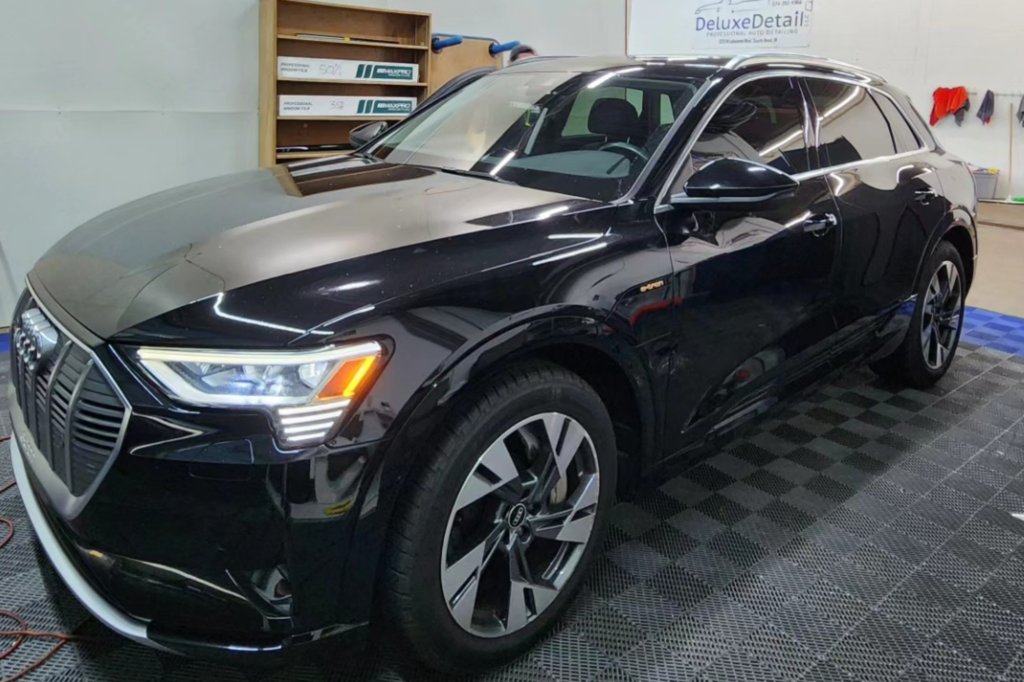
Preparation before winter is essential to maximize the benefits of paint correction. Start by washing the car thoroughly to remove accumulated salt, dirt, and road debris. Dry the surface completely, as moisture can interfere with the polishing process. Inspect for any chips, scratches, or rust spots that may need attention before correction. For car owners in South Bend, taking these steps can prevent accelerated wear during the season. Proper preparation ensures that the paint correction adheres effectively and that the vehicle’s exterior remains resilient against snow, ice, and salt.
Maintenance After Paint Correction
Once paint correction is complete, ongoing maintenance is key. Frequent washing, especially after snowstorms or exposure to road salt, helps prevent damage from recurring. Wiping the car down after ice or snow buildup and parking in covered areas when possible can reduce scratches and corrosion. Applying seasonal protective coatings enhances the durability of the corrected surface. South Bend IN paint correction services often recommend simple routines tailored to older vehicles. Following these steps ensures the benefits of paint correction last through the winter and beyond, keeping the car looking well-maintained and attractive.
In Summary
Paint correction is an essential step for aging cars, especially in regions like South Bend, where Indiana winters can be harsh. By restoring the paint surface, removing scratches, and protecting against salt and moisture, vehicle owners can preserve both the appearance and value of their vehicles. Proper preparation before winter, professional care, and ongoing maintenance all work together to ensure that the corrected finish lasts through the season. Investing in paint correction with Deluxe Detail LLC now helps prevent minor issues from becoming costly repairs later, keeping your car looking its best year-round.
Ready for a quote? Contact us today! Protect your aging car in South Bend with professional paint correction and maintain its finish against the toughest winter conditions.
FAQ: People Also Ask
1. Q: How often should paint correction be done?
A: The frequency depends on your car’s age, condition, and exposure to harsh elements. Many aging vehicles benefit from paint correction once every one to two years, especially before winter.
2. Q: Can I do paint correction myself?
A: DIY methods are possible but carry risks, particularly for older paint. Professional South Bend paint correction services offer safer and more effective results.
3. Q: Does paint correction protect against salt damage?
A: Yes. By removing scratches and smoothing the surface, paint correction makes it more difficult for salt and moisture to penetrate, reducing corrosion risk.
4. Q: How do I maintain my car after paint correction?
A: Wash the car frequently, remove salt promptly, and apply seasonal protective coatings. Parking in covered areas or wiping down after snowstorms helps maintain the polished finish.